Inside AAMLO’s civic archive
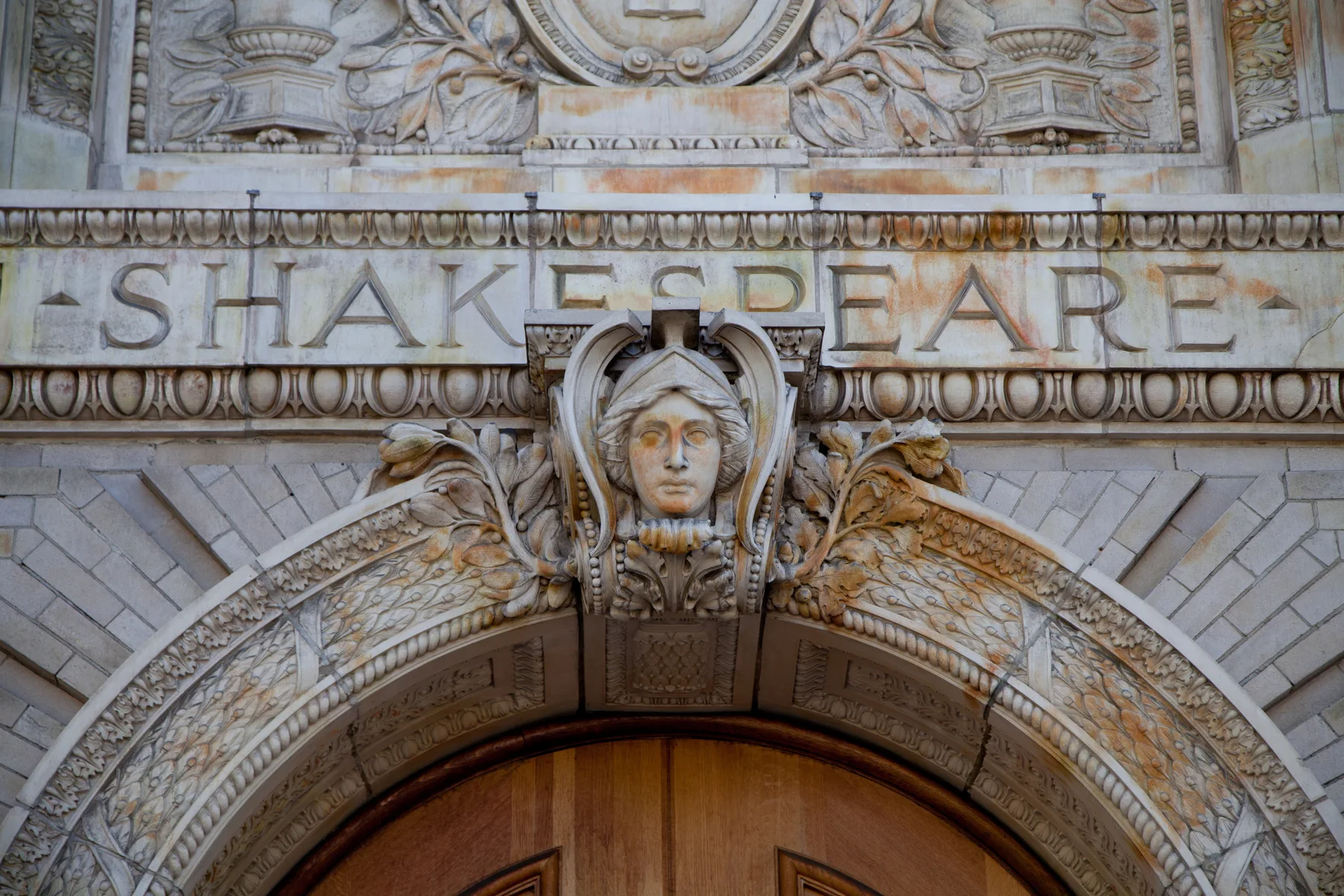
Photo by Almonroth; cropped, resized and converted from a CC BY-SA 3.0 work.

The carved entrance of the African American Museum and Library at Oakland announces a formal civic building. Inside, the institution’s purpose is grounded in records: manuscripts, photographs, newspapers, oral histories and other materials that document African American life in Northern California and the West. The contrast is useful. Monumental architecture may catch the eye, but the archive’s value comes from thousands of carefully preserved details.
AAMLO’s history began before it occupied this building. The Oakland Public Library traces the collection to community organizers and collectors who established a center in 1965. Their work continued through the Northern California Center for Afro-American History and Life. The collection entered City stewardship in the 1990s, and AAMLO opened in its present form in 1994 before moving into the historic Carnegie library building.
Archives matter because public memory is selective. A newspaper may record one version of an event; a family photograph, club record, business ledger or oral history can add another. Preserving different types of evidence makes it possible for researchers and residents to test narratives rather than inherit them unquestioned. Exhibitions translate parts of that record for a broad audience, while the library supports deeper inquiry.
Oakland’s Black cultural history is also lived through music, art, food, faith, organizing and neighborhood institutions. AAMLO does not contain all of it. The museum and library instead provide a durable point of access—a place where materials can be conserved, cataloged and returned to public conversation.
Evidence and interpretation
The Oakland Public Library controls the institutional dates, mission and collection description used here. The Commons image documents one architectural detail and is credited under its license. Separating observation, source and interpretation keeps the account honest. The insurance material elsewhere on this site uses the same principle: examples can help a reader prepare questions, yet they do not create coverage. The policy actually issued controls every coverage decision.
Sources: About AAMLO and Oakland History Center.
A field method for local history
Begin with the institution’s catalog and finding aids, then record the collection name and box or item reference behind any claim. Compare newspapers with organizational records, photographs and oral histories when possible. Dates can align while perspectives differ. That difference is often the point of archival research, not a flaw to smooth away.
Visitors should also distinguish between the building, the museum program and the archival collection. Each offers a different form of access. The architectural detail in the photograph belongs to the former Charles S. Greene Library; the work inside connects it to community preservation efforts that arrived later. Keeping those layers labeled makes the story clearer and gives credit to both the people who gathered the records and those who continue to care for them.
How this page is bounded
The linked public agency pages control the institutional facts stated here, and the licensed image is identified separately. Links are provided so a reader can check the source rather than rely on this summary. Conditions, programs and public access can change; consult the responsible institution for current information. No city feature establishes insurance eligibility or coverage for a nearby address.